This page is a continuation of Harthope Valley Excursion (Part 1).
Map showing the second part of the excursion showing route and locations


Continuing up the valley, we cross a couple of streams and meet a prominent wall-like outcrop at NT918196. It is another exposure of the Central Belt rock that we have found to be an intermediate syeno-granite in these parts.
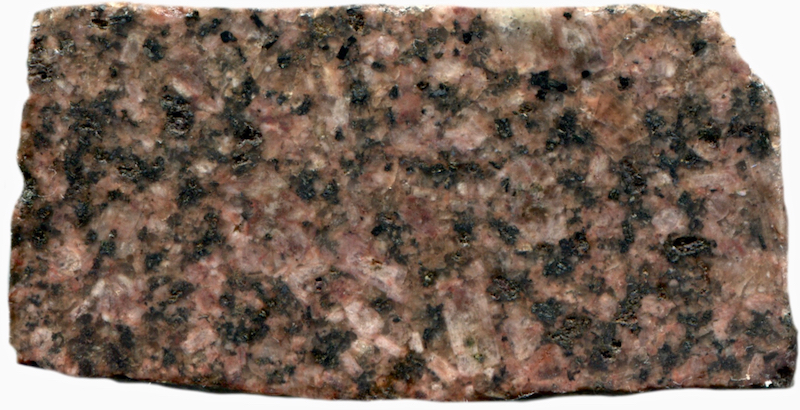
Prepared specimen in ordinary reflected light (43mm across)
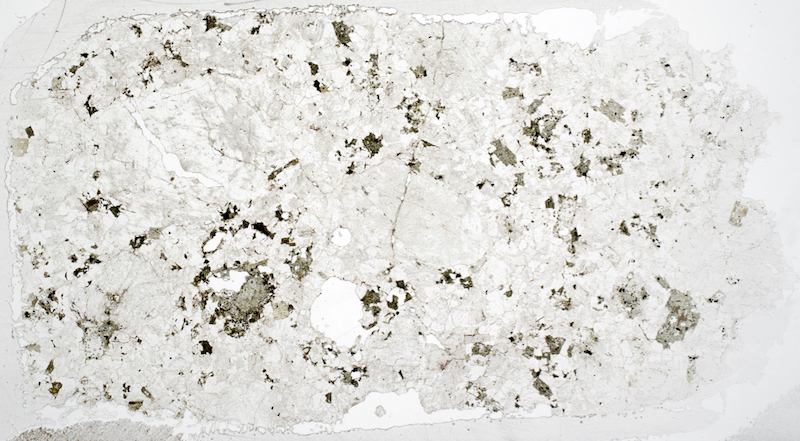
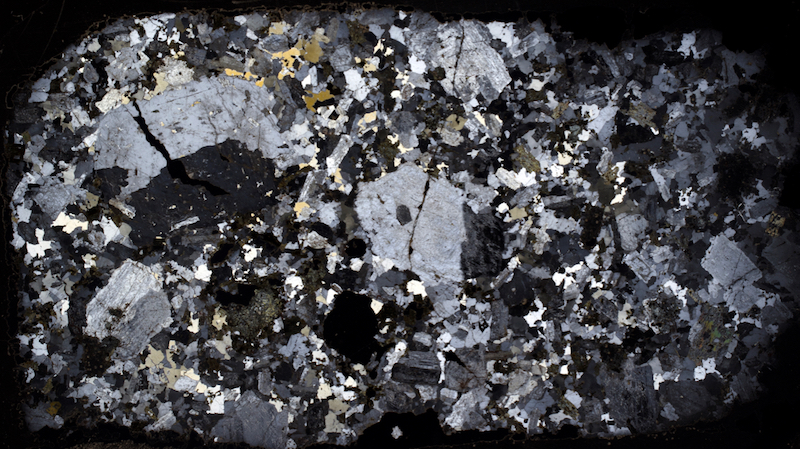
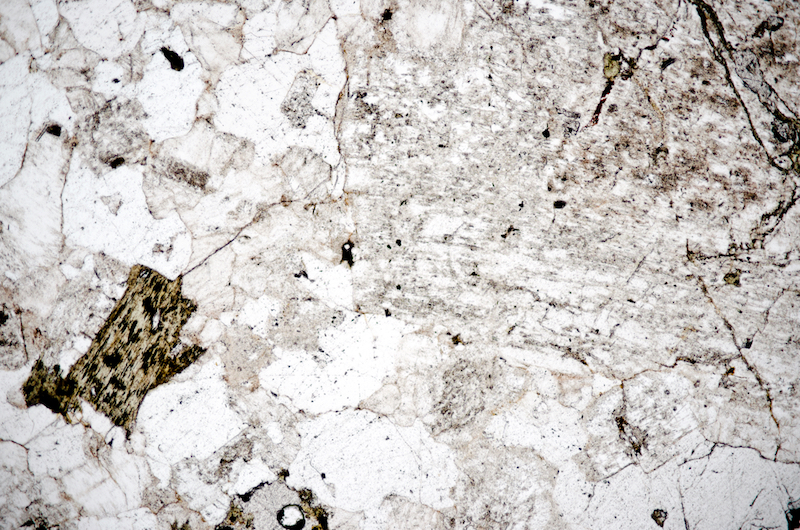
Section viewed in plane polarised light (FoV 4.6 x 3.0 mm)
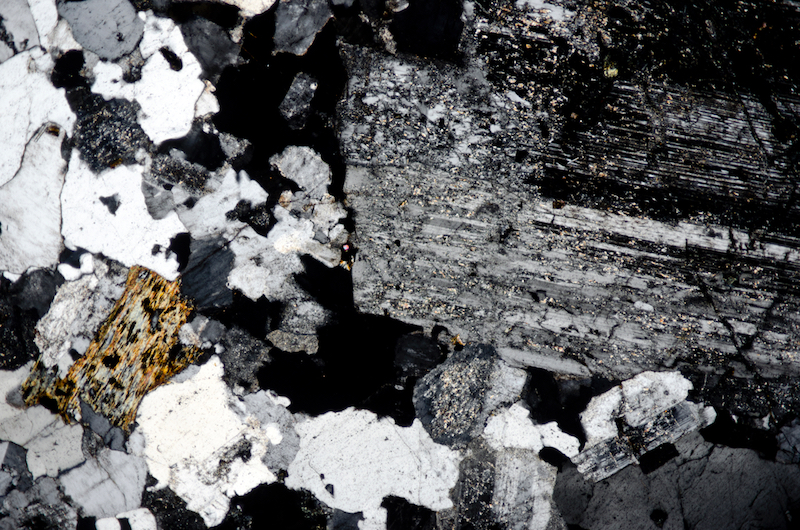
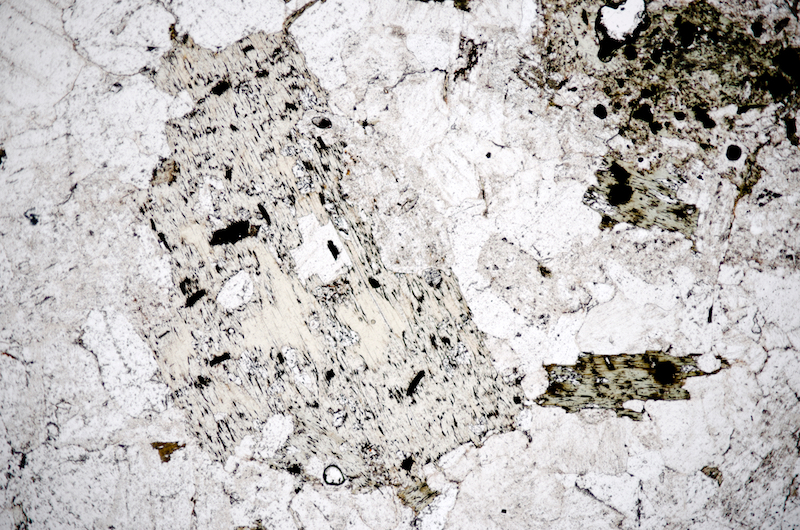
Section viewed in plane polarised light (FoV 4.6 x 3.0 mm)
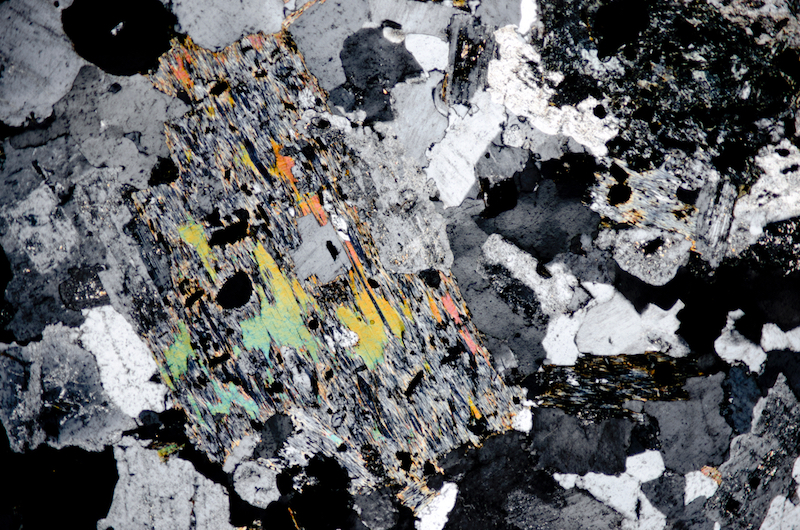


Between locations 11 and 12 there are numerous exposures of fractured and brecciated rock that is rich in haematite and cemented together with quartz. The explanation given for the breccia at location 7 applies here; reactivation of the Harthope fault in the Variscan orogeny led to fracturing of the plutonic rock and its alteration and cementation by hydrothermal fluids.
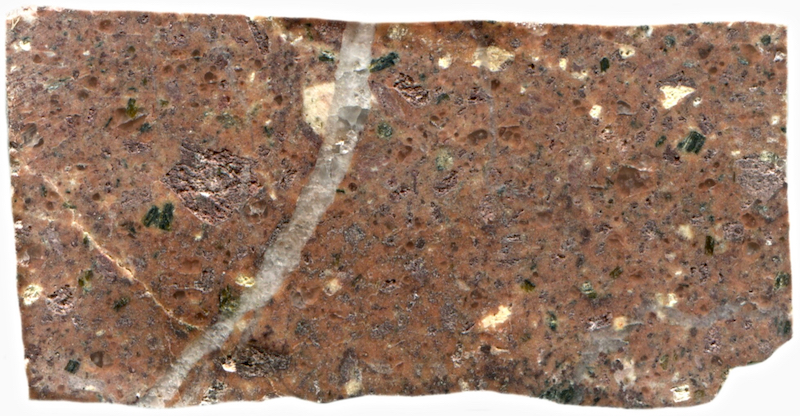
Prepared specimen in ordinary reflected light (40mm across)
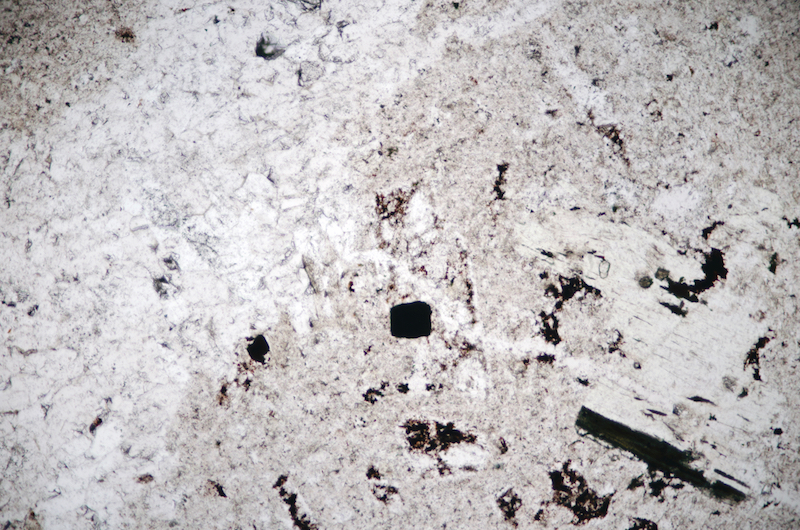
Section viewed in plane polarised light (FoV 2.5 x 1.7 mm)
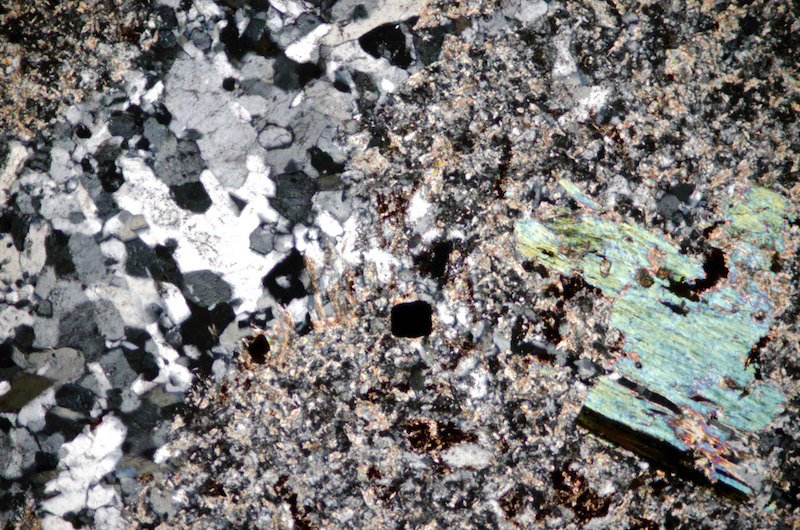

Section viewed in plane polarised light (FoV 1.3 x 0.8 mm


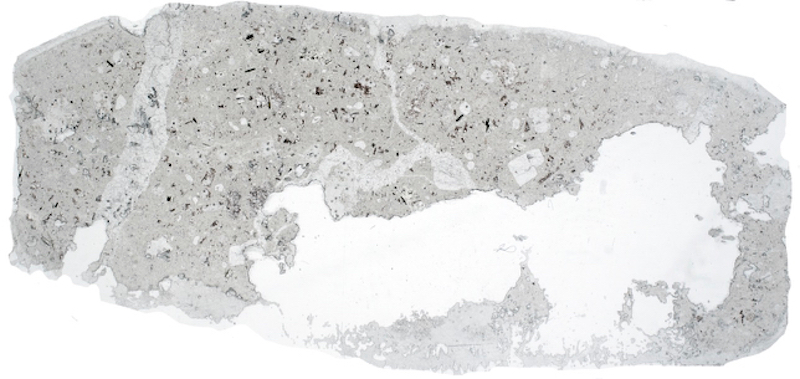
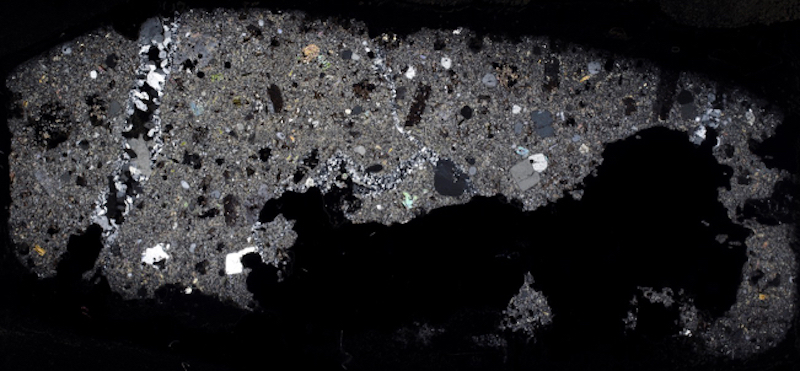
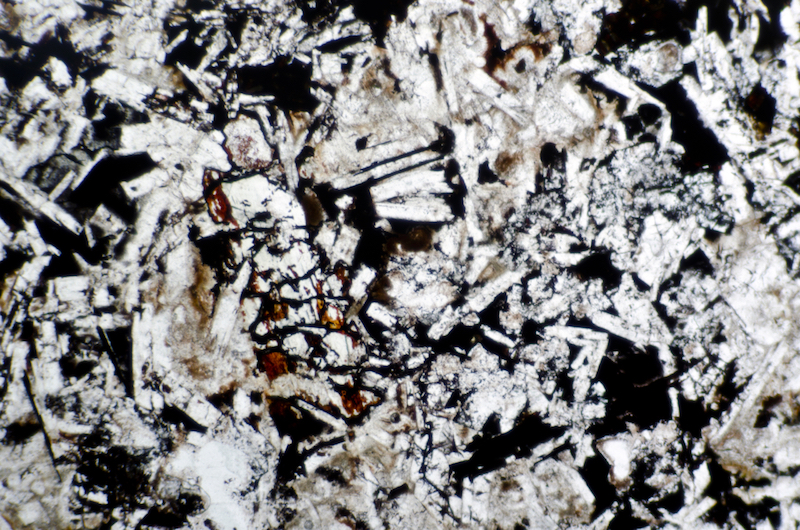
At location 12 we come across outcropping rock that is so altered it is reduced to a red sand. After a number of attempts, we succeeded in making a thin section that revealed a very interesting arrangement of quartz and opaque oxides. Clearly, hydrothermal alteration was so intense here that the fabric and mineralogy of the rock was completely changed and weathering has decomposed it further.
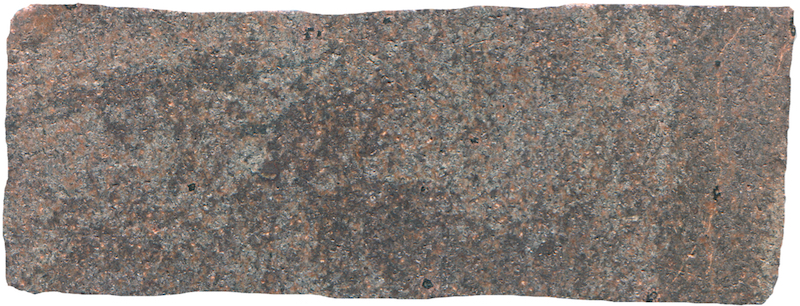
Prepared specimen in ordinary reflected light (42mm across)
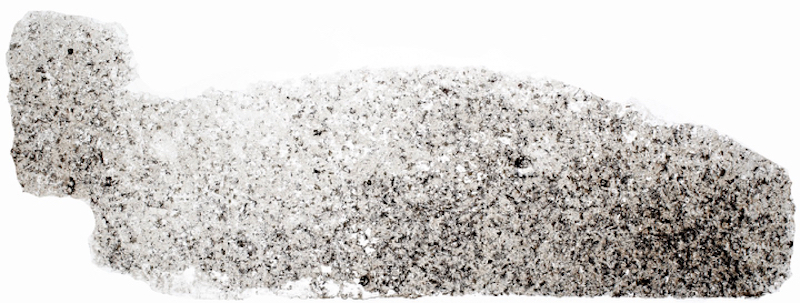
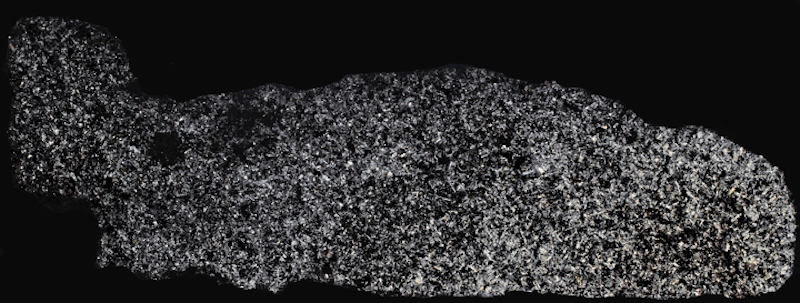
Section viewed in plane polarised light
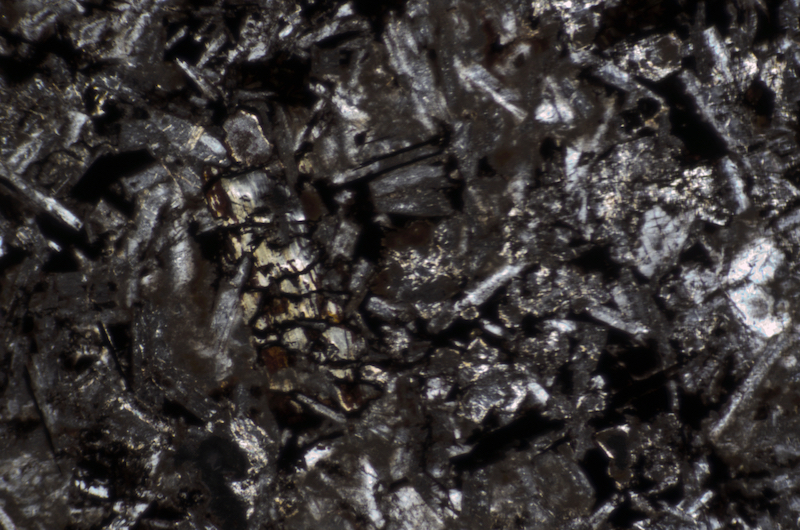
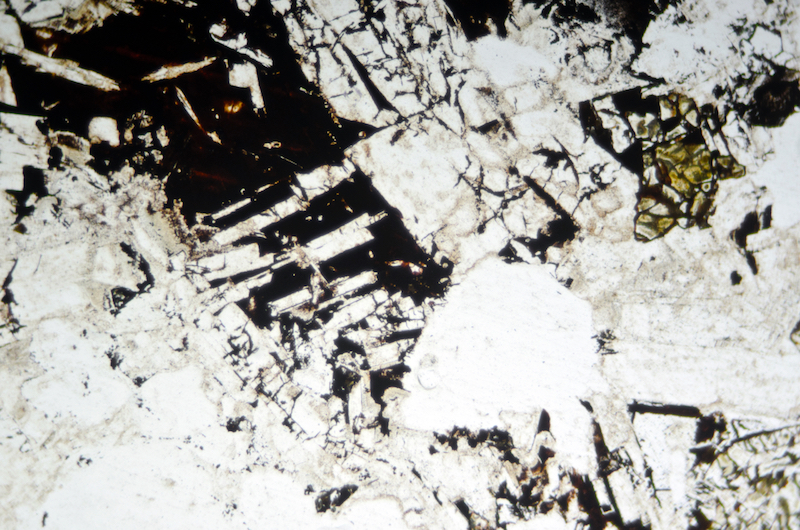
Section viewed in plane polarised light
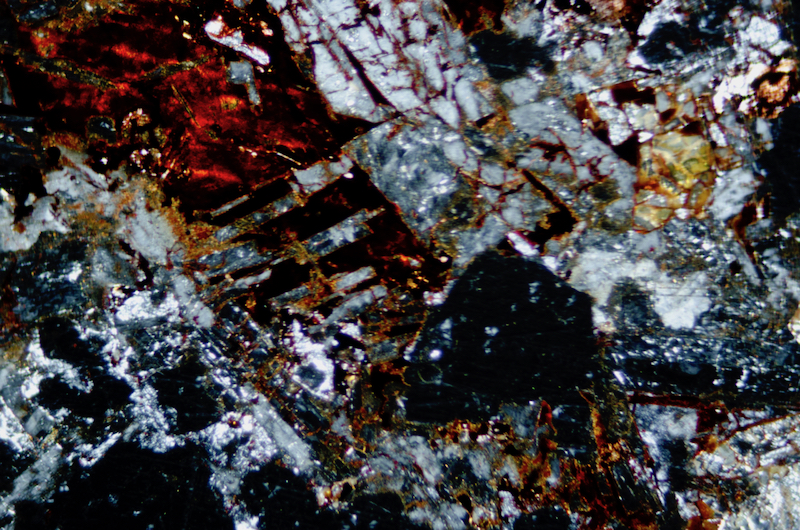


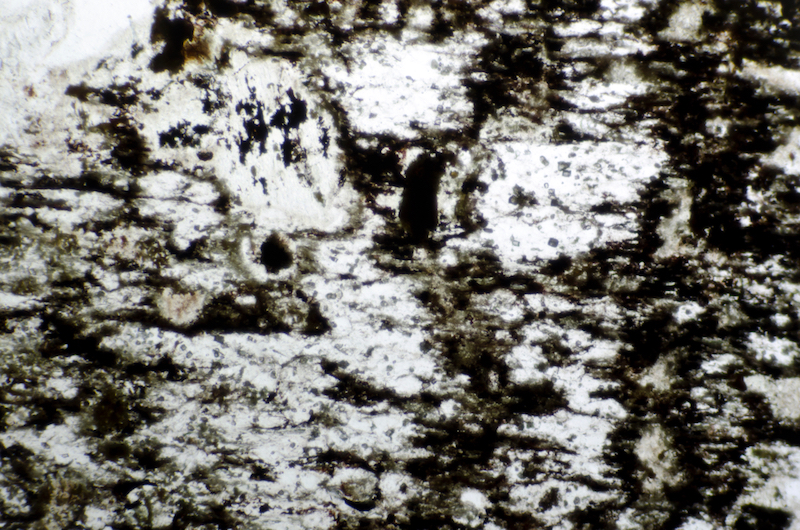
This is similar rock to that at location 12 but it isn’t so altered that the structure of the granite has been changed so radically. Because of the difficulties in preparing the thin section of this rock, it has been left slightly thick so the quartz in the central area is showing 1st order interference colours.
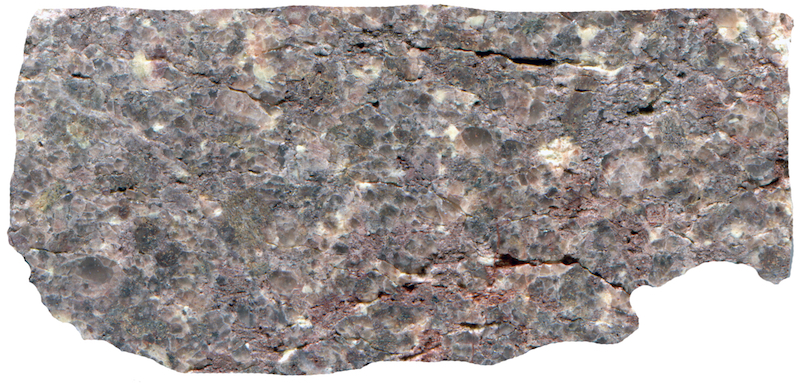
Prepared specimen in ordinary reflected light (42mm across)
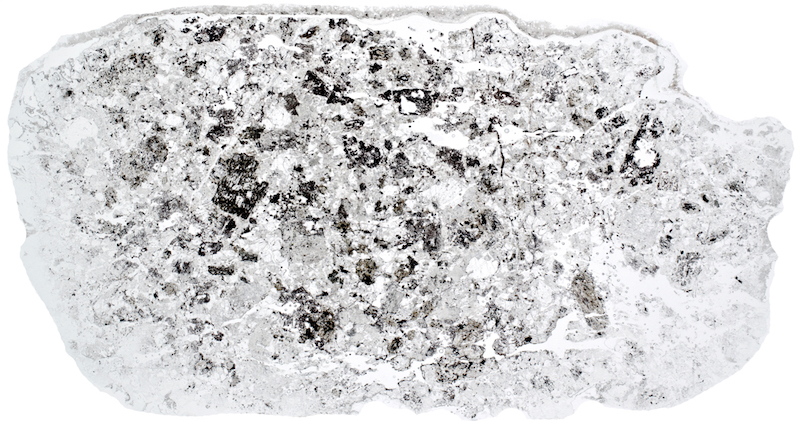
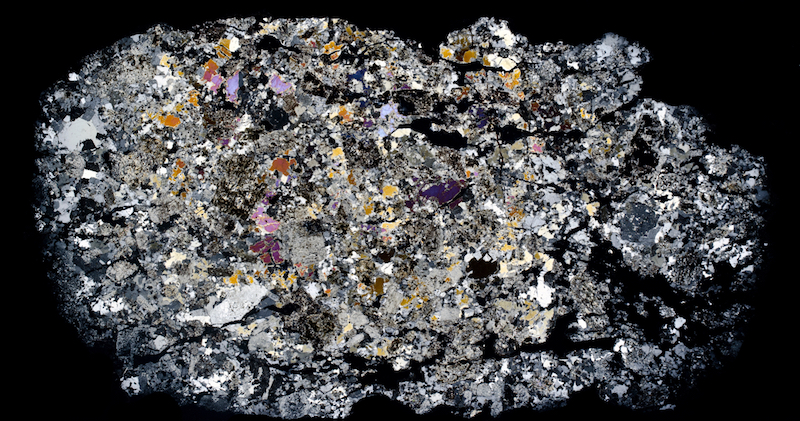
Section viewed in plane polarised light (FoV 5.0 x 3.0 mm)
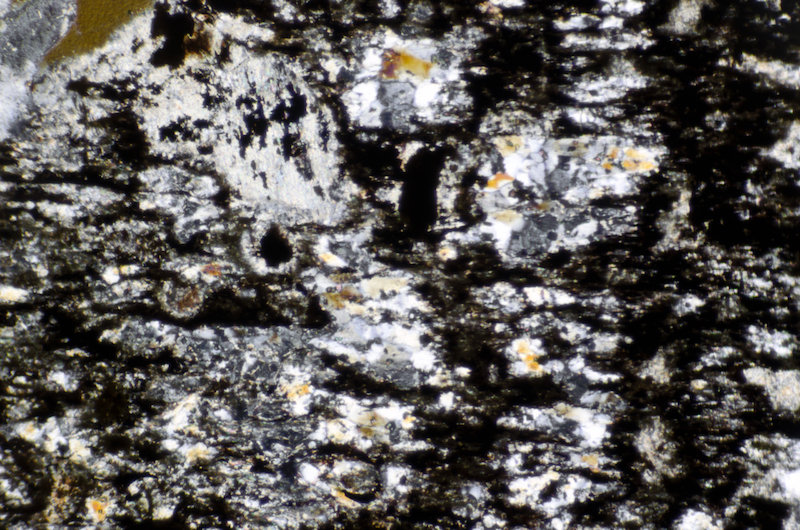
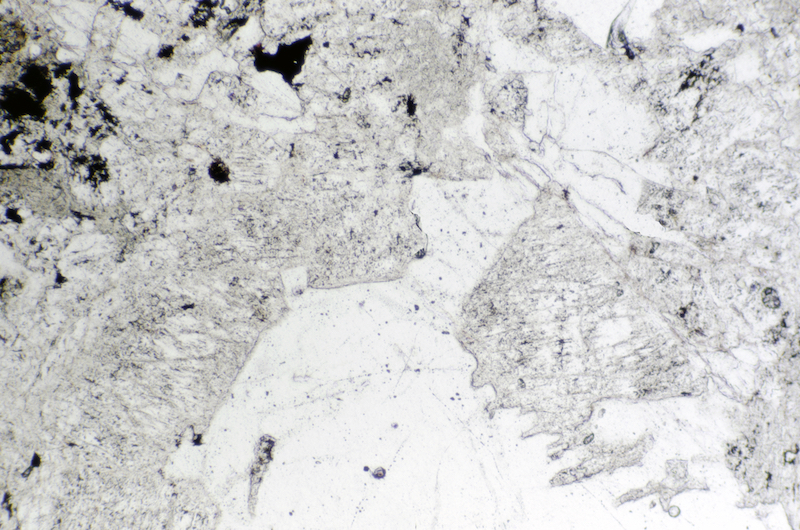
Section viewed in plane polarised light (FoV 1.3 x 0.8 mm)
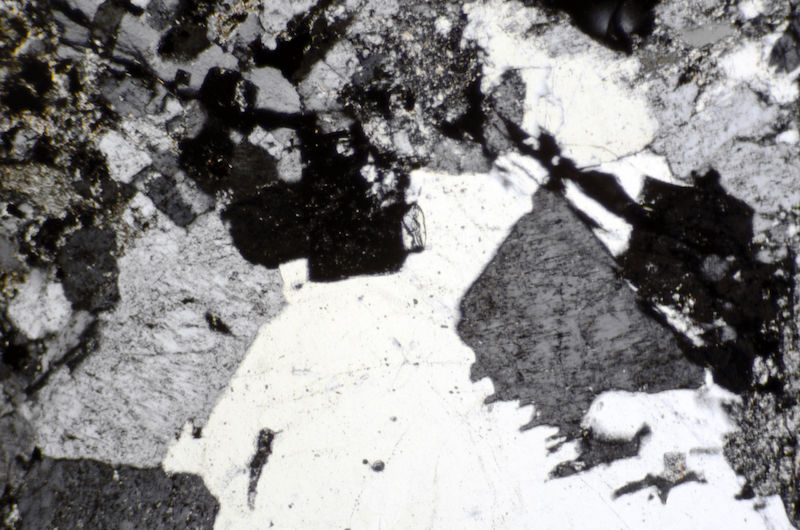

The Harthope burn becomes a trickle up here and close by the stream at NT909189 we see the final outcrop of ‘Central Belt’ rock. It is altered but not so severely as that we saw earlier.
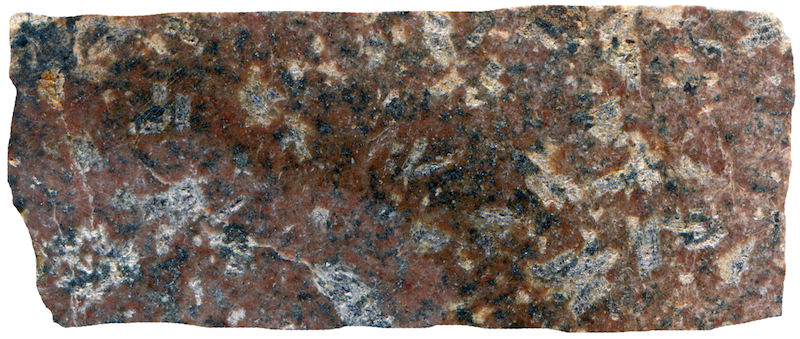
Prepared specimen in ordinary reflected light (42mm across)
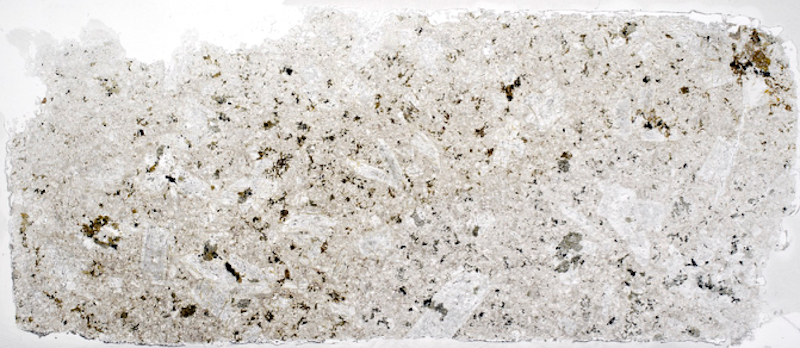
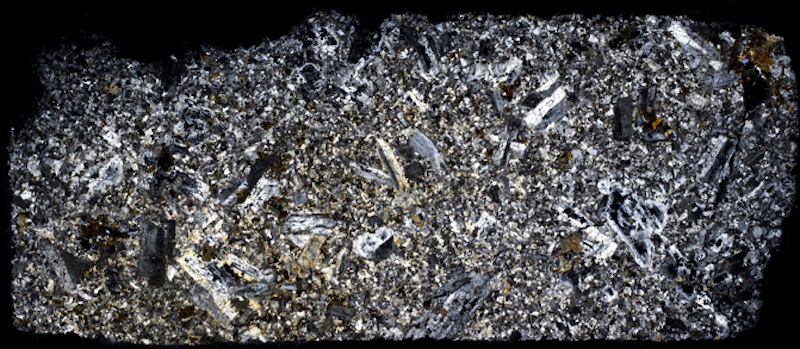

Section viewed with crossed polarising filters (FoV 1.2 x 0.8 mm)
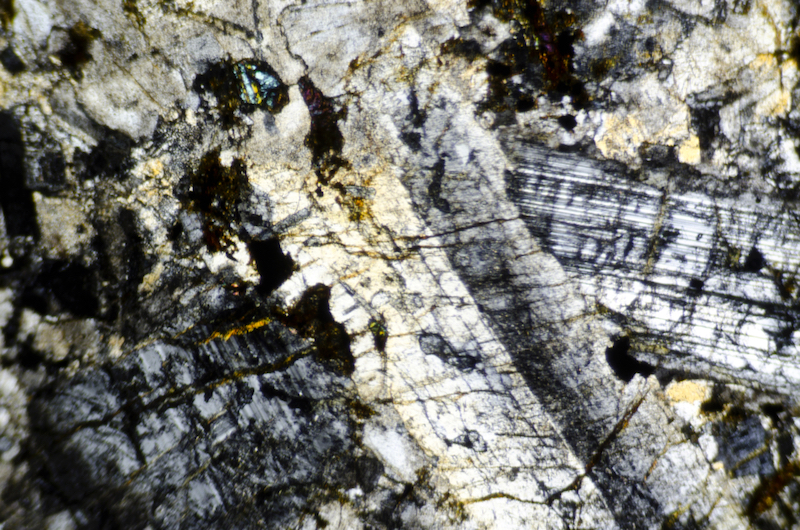
Section viewed with crossed polarising filters (FoV 1.2 x 0.8 mm)

Section viewed with crossed polarising filters (FoV 1.2 x 0.8 mm)
The last sign we see of the ‘Central Belt’ type of granitic rock is right at the head of the burn, in the stream bed. It might be bedrock or it could be a boulder but either way, from here on up the visible rock is all the low-mafic ‘Upper Cheviot’ evolved granite.
Return to Car
We could choose to continue on up the hill to meet the path at Scotsman’s Cairn that would take us back over Cheviot and Scald Hill to the car – the reverse of the Cheviot and Woolhope Crag excursion , or we can turn and follow the Harthope Burn back down the valley. On this occasion, we choose the latter.
References
N. M. Al-Hafdh 1985, The Alteration Petrology of the Cheviot Granite. Thesis submitted for PhD. at Newcastle University.
J. G. Mitchel, K. M. Storetvedt, D. A. Robson, M. C. Abranches, and P. R. Ineson, 1993, Evidence for Carboniferous thermochemical overprinting in the Cheviot Complex, Scottish Journal of Geology 29, (1), 55-68,
C. Scruton (ed,) 1995, Northumbrian Rocks and Landscape: a field guide, Yorkshire Geological Society.
Geological Society of London, Plate Tectonics at:
https://www.geolsoc.org.uk/Plate-Tectonics/Chap4-Plate-Tectonics-of-the-UK/Variscan-Orogeny
British Geological Survey, Online geology map at:
http://mapapps.bgs.ac.uk/geologyofbritain/home.html